A good motorcycle group itinerary is not a minute-by-minute marching order. It is a shared plan that gets everybody over the Beartooth safely, leaves room for a photo stop when the mountains show off, and gets the group back to town before tired riders start making poor decisions.
Red Lodge is an ideal place to gather a riding group because the road out of town is part of the reason everyone came. The Beartooth All-American Road climbs quickly from the foothills into high country, with switchbacks, broad views, alpine lakes, and weather that can change the character of a ride in an hour. Plan for that reality, and your group can spend more time enjoying the road and less time sorting out avoidable problems in a parking lot.
Build a Motorcycle Group Itinerary Around the Road
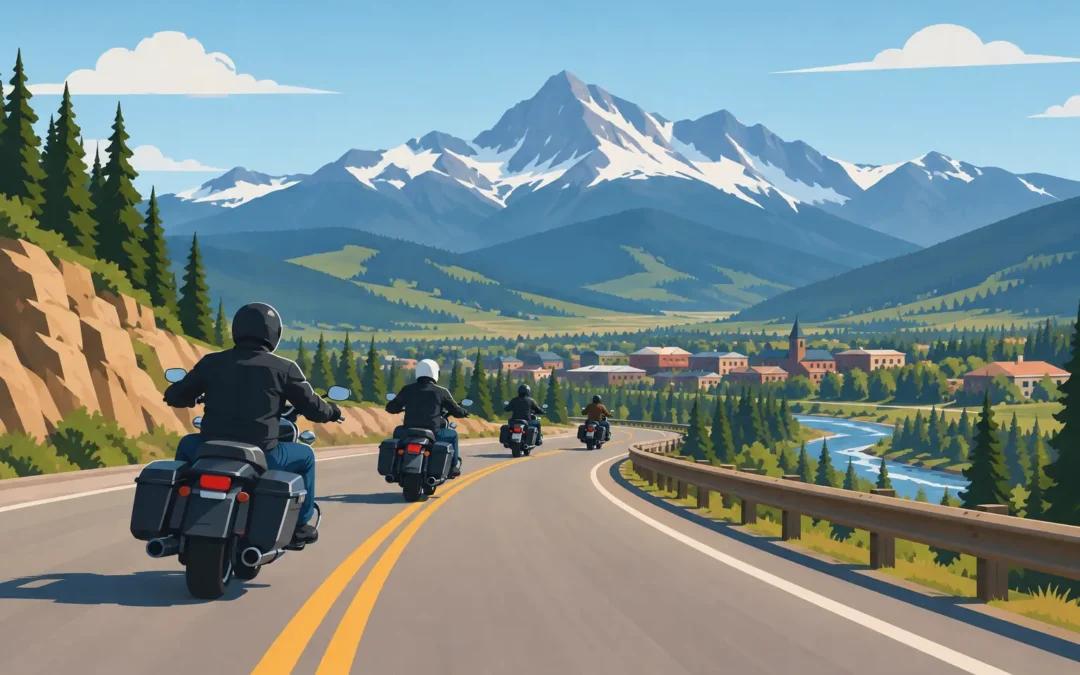
The Beartooth Highway is not a route to rush. A group itinerary works best when it treats the ride itself as the main event rather than trying to stack too many distant stops into one day. Riders will move at different paces, need different breaks, and stop for different reasons. A scenic pullout that takes five minutes for one bike can take 25 minutes for 12.
For a first full riding day, start in Red Lodge and allow the morning to unfold without a frantic departure. A hot, made-to-order breakfast, a fuel check, and a brief riders’ meeting are worth more than an early start for its own sake. The group should agree on the destination, the planned fuel stop, the turnaround time, and what happens if someone becomes separated.
From Red Lodge, ride south on the Beartooth Highway toward Beartooth Pass. The climb has enough curves and elevation change to keep even experienced riders focused. Leave time for the overlooks, but choose them carefully. A large group should use pullouts where every bike can park safely without blocking traffic or forcing riders onto soft shoulders.
The pass sits at a high elevation, so conditions matter as much as mileage. Snow can linger well into the summer, temperatures can be much cooler than in town, and afternoon storms are common. Even on a bright July morning, every rider should carry a warm layer and rain gear that is easy to reach. Waiting until the sky opens up to dig through packed luggage is no one’s favorite mountain memory.
Choose the turnaround that fits your riders
There is no single correct version of a Beartooth day. A newer group, riders carrying passengers, or anyone arriving after a long travel day may be happiest with a Red Lodge-to-pass ride and a relaxed return. That option delivers the big views without adding hours of riding.
A confident, well-prepared group may continue into Cooke City and Silver Gate, then return the same way or continue toward Yellowstone depending on road conditions, park plans, and available daylight. The trade-off is simple: more country means more time, more fuel planning, and less margin if weather arrives. Yellowstone is remarkable, but it is not a quick side trip from the pass when a dozen motorcycles are involved.
Build in a firm decision point. For example, decide that if the group has not reached a planned stop by a certain time, everyone turns around rather than pressing deeper into unfamiliar country. This is not cutting the day short. It is the kind of call that lets riders enjoy the last miles instead of racing the clock.
Plan the Overnight Stay Like Part of the Ride
A group can have a beautiful route and still have a frustrating trip if the overnight plan is vague. Red Lodge gives riders a walkable town, places to eat, mountain views, and a comfortable place to reset before or after the pass. Booking early is especially wise for summer weekends, rally dates, and fall color season, when rooms and RV sites can fill quickly.
Look for lodging that understands what motorcycle travelers need after a full day in the saddle: quiet rooms, convenient parking, a place to talk through the next day’s ride, and practical services such as laundry. Groups also appreciate a gathering space that does not require everyone to crowd into one room. At Alpine Lodge Motel, riders can settle in around the outdoor fire pits, grab a specialty coffee, and start the morning with a fresh breakfast during the summer season.
When reserving, ask about room layouts and parking before anyone commits. Couples may prefer a standard or deluxe room, while friends traveling together may want family accommodations, cabins, or nearby RV sites. The best arrangement depends on whether the group wants shared downtime or separate space at the end of the day.
It also helps to name one person as the lodging contact. That person can handle rooming changes, arrival estimates, and the inevitable question of who has the confirmation details. The rest of the group will be grateful when they can simply park, unpack, and relax.
Keep the Riding Day Simple and the Communication Clear
Big groups do not stay together by accident. Before rolling out, hold a short meeting where everyone can hear the plan. Keep it practical: identify the lead rider, sweep rider, fuel stop, lunch plan, and next major regroup point. Ask riders to exchange phone numbers or use a group messaging thread before leaving town, since service can be unreliable in mountain stretches.
Avoid trying to ride in one tight cluster. Staggered formation works on suitable roads, but curves, changing pavement, wildlife, and traffic will naturally spread people out. Riders should be expected to ride their own ride, not chase the bike ahead. A lead-and-sweep system helps, but it is still wise to give every rider a simple written route or downloaded map.
For groups of four or more, these habits make the day easier:
- Fuel before heading into the high country, even if the tank is not empty.
- Set regroup stops at clear landmarks rather than saying, “We’ll meet somewhere ahead.”
- Use hand signals only for immediate road information, not for complicated directions.
- Keep lunch flexible, especially when weather or construction slows the ride.
- Decide in advance whether the group waits for mechanical issues or whether a support plan is needed.
The goal is not to control every rider. It is to remove the uncertainty that turns a small delay into a long afternoon.
Leave Room for Weather, Wildlife, and Real Life
Mountain weather has the final word on any motorcycle plan. Check the forecast the evening before and again in the morning, but do not mistake a forecast for a guarantee. Cold rain, wind, hail, fog, and sudden temperature drops can all show up at elevation. If conditions look questionable, choose a lower-elevation ride, spend more time in Red Lodge, or push the pass ride to the next day.
That flexibility is especially useful for groups staying more than one night. Give the itinerary a primary ride day and a backup ride day. If the first day is clear, take the pass. If clouds settle in, enjoy town, visit local shops, take a shorter foothills route, or linger over breakfast and coffee. The mountain road will still be there when conditions improve.
Wildlife deserves the same respect as weather. Deer are common near dawn and dusk, and other animals can appear where riders least expect them. Keep the group moving at a pace that allows for sight distance, particularly when shadows lengthen. A late return is another reason not to overpack the day’s route.
Mechanical preparation matters, too. Before the trip, check tires, brakes, fluids, lights, and battery health. Bring the tools and tire-repair equipment you know how to use, along with a basic first-aid kit. A rider who has never used a repair kit should not make a mountain shoulder their first lesson.
A Sample Two-Night Red Lodge Riding Plan
Arrive in Red Lodge on the first afternoon, fuel the bikes, check in, and take an easy walk through town. Keep dinner close and make the evening a chance to confirm the morning departure plan. If some riders arrive later than others, this low-key first night keeps the group from starting the trip already worn out.
On day two, ride the Beartooth Highway after breakfast, stopping at a few well-chosen overlooks before reaching the pass. Continue only as far as the group’s comfort, fuel range, weather, and time allow. Return to Red Lodge with enough daylight for a relaxed dinner and stories around the fire.
Use the final morning for a shorter ride or a slower departure. Riders headed toward Yellowstone can leave with a rested body and a current weather check. Those traveling home can take one more look at the mountains from town before loading up.
The best group trips are remembered for the curve that opened onto a view, the shared laugh at a roadside stop, and the welcome waiting at the end of the day. Give your riders enough structure to feel looked after, enough time to ride safely, and enough freedom to let Red Lodge surprise them.