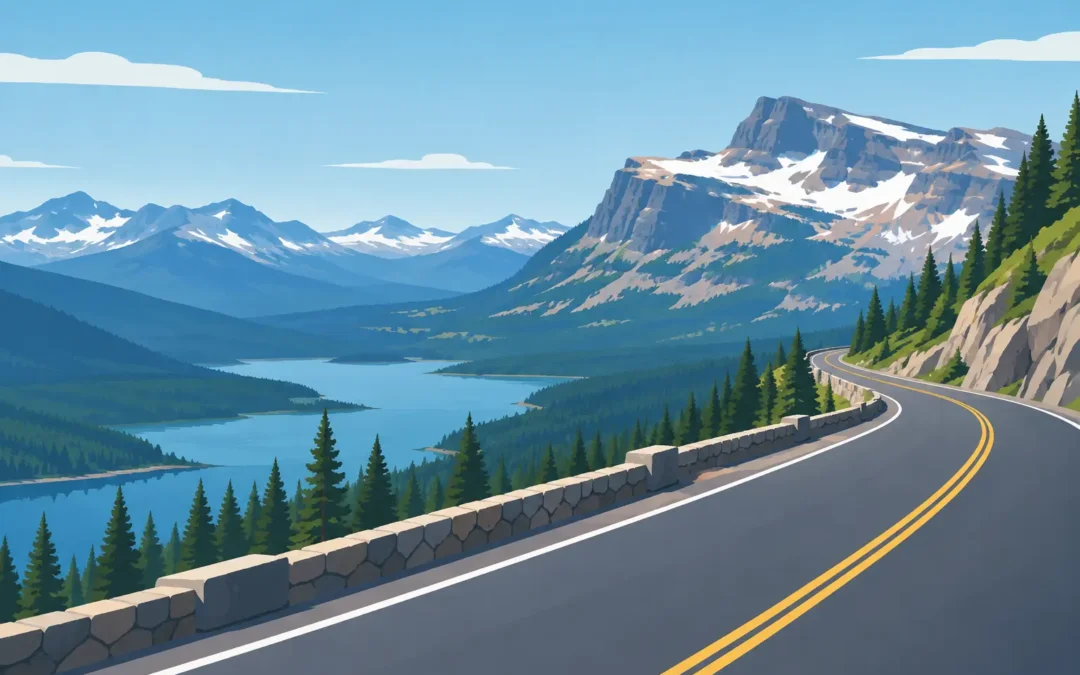
The Beartooth Highway is not a road to rush. It is a high-country day built around big views, sharp curves, alpine lakes, and the satisfying feeling of reaching country that still feels genuinely wild. From Red Lodge, the climb begins close to town and quickly trades foothill scenery for switchbacks, stone cliffs, and wide-open mountain tundra.
For families, couples, motorcycle riders, and road trippers headed toward Yellowstone, this is one of those drives that becomes the story people tell after they get home. A little preparation makes the difference between a long, stressful day and a mountain memory worth lingering over.
Start Your Beartooth Highway Day in Red Lodge
Red Lodge is a natural starting point because it gives travelers a chance to begin the drive rested, fed, and fueled. Rather than waking up far down the road and trying to squeeze the pass into a packed travel day, spend the night in town and give the mountains the time they deserve.
The route follows US Highway 212 south from Red Lodge toward Beartooth Pass, which reaches nearly 10,947 feet. That elevation is part of what makes the drive remarkable. It is also why conditions can change quickly, even when the morning begins sunny and warm in town.
Leave earlier than you think you need to, especially in summer. Early travelers often find quieter pullouts, easier parking at popular viewpoints, and more time for short walks. You will also have breathing room if a passing shower, road work, wildlife sighting, or a photo stop slows the pace.
Before heading uphill, top off the gas tank, bring drinking water, and pack layers. Red Lodge has the practical services travelers need, but fuel and food options become limited once you are high on the route. Cell coverage can be inconsistent as well, so do not count on your phone for every decision.
The Drive Is the Destination
The Beartooth Highway is often grouped into a Yellowstone itinerary, but it deserves its own place on the day. The pavement rises through forests and opens onto a broad, rocky plateau where snow can linger well into summer. Around each curve, the scale of the landscape changes: deep valleys below, jagged ridgelines ahead, and lakes tucked into glacial basins.
There is no prize for finishing quickly. Pull over only where it is safe and permitted, and let faster traffic pass when possible. The road is steep and curvy in places, with narrow shoulders and dramatic drop-offs. Drivers who stay patient have a much better time than those trying to maintain a highway pace on a mountain road.
The pass is especially rewarding for travelers who enjoy small moments as much as grand overlooks. Watch for changing wildflowers, listen for marmots near rocky areas, and look closely at the remaining snowfields. In clear weather, the air at the top has a crispness that makes even a simple thermos of coffee feel like part of the experience.
Choose a Pace That Fits Your Group
A couple in a convertible, a family with young children, and a motorcycle group will naturally experience the highway differently. Families may want a few planned stops with room to stretch and a picnic lunch. Riders often prefer an early start, extra layers, and plenty of time to pull over safely for photos. RV travelers should be realistic about their vehicle size, braking, turning radius, and comfort level on steep mountain grades.
If you are traveling with someone who gets carsick or nervous on winding roads, sit them where they have the best view forward, keep snacks simple, and build in breaks. There is no shame in turning around before the highest point if weather or nerves make the drive less enjoyable. The mountains will still be there on another visit.
Weather Sets the Terms
At nearly 11,000 feet, summer does not always behave like summer. A bluebird morning can become windy, cold, rainy, or stormy by afternoon. Temperatures on the pass may be dramatically cooler than Red Lodge, and snow is possible outside the heart of the warm season.
Check current road status and weather before departure, then check again if conditions look unsettled. The highway is seasonal and may close because of snow, ice, construction, or other mountain hazards. Opening and closing dates vary from year to year, so do not build an inflexible itinerary around a calendar estimate.
Afternoon thunderstorms deserve special respect. If thunder is nearby, skip exposed walks and return to your vehicle. Lightning moves faster than vacation plans. Wind can also make overlooks feel much colder than expected, so a warm layer and rain jacket belong in the car even on a hot July day.
Give Your Vehicle a Little Care
Mountain driving asks more of a vehicle than cruising across the plains. Check your fuel level before leaving Red Lodge, make sure tires are in good condition, and keep an eye on engine temperature. On long descents, use a lower gear when appropriate rather than relying entirely on the brakes.
For motorcycles, gloves and insulated layers can be the difference between a thrilling ride and a miserable one. For drivers towing trailers or piloting larger RVs, review current restrictions and road conditions before committing to the route. This is beautiful country, but it is not the place to discover that your rig is more than you want to handle.
Pair the Pass With Yellowstone – Carefully
The Beartooth Highway can be a wonderful route toward the Yellowstone area, particularly for travelers continuing toward Cooke City and the park’s Northeast Entrance. But the word “can” matters. Seasonal road closures inside Yellowstone, weather events, and timing all affect whether this is the practical route on a given day.
If Yellowstone is the main purpose of your trip, start with realistic expectations. The distance on a map may look manageable, but scenic mountain roads, stops, wildlife traffic, and park construction can add hours. Plan fewer stops than you think you want, then enjoy the extras if the day goes smoothly.
For many guests, the best plan is to experience the highway as a complete day trip from Red Lodge, return to town for a good meal and a quiet night, and visit Yellowstone on a separate day. That approach leaves room for the highway’s viewpoints without turning every stop into a race against sunset.
Small Details That Make a Big Difference
Bring a camera, but do not experience the entire drive through a screen. Keep binoculars handy for distant wildlife, and never approach or feed animals. Stay on established paths around fragile alpine ground. High-elevation vegetation grows slowly, and a shortcut across the tundra can leave a mark for years.
Pack out everything you bring in. Mountain weather, limited facilities, and heavy seasonal use make a little traveler courtesy go a long way. Use designated restrooms when available, keep food secured, and leave pullouts ready for the next family who stops there wide-eyed.
A paper map is still a smart backup. Downloaded maps can help, but batteries die and reception fades. It is also wise to tell someone your plan if you will be out for the day, particularly if you are traveling early or late in the season.
Make Room for the Return to Red Lodge
The downhill drive back to Red Lodge can be just as beautiful as the climb, especially when late light settles into the valleys. It also takes concentration. Give yourself enough daylight to return unhurried, and do not underestimate how tired a day of mountain driving can make everyone feel.
At Alpine Lodge Motel, travelers can come back to clean, quiet accommodations, a warm shower, and a place to sit outside and trade stories around the fire pits. That kind of easy landing is part of a good mountain day, whether you are traveling by car, motorcycle, or RV.
The best Beartooth Highway plan leaves room for changing weather, unexpected stops, and the simple pleasure of being somewhere extraordinary. Start prepared, drive patiently, and let the road set a slower, better pace for the day.