A Yellowstone stopover itinerary works best when it feels like part of the vacation, not a hurried night between long stretches of road. From Red Lodge, you can trade interstate miles for mountain scenery, start the day with a hot breakfast, and take the Beartooth route toward Yellowstone when conditions allow. The key is leaving enough room for the unexpected: a wildlife jam, a photo stop you cannot pass up, or a mountain afternoon that turns cool and rainy.
Red Lodge is especially well suited to travelers arriving from Billings, Cody, or the plains and heading into Yellowstone through the northeast side of the park. It is a proper mountain town, with places to stroll, eat, pick up supplies, and settle in before or after a big driving day. Think of it as your base camp for the journey, not merely your last stop before the park gate.
Build Your Yellowstone Stopover Itinerary Around the Road
The most scenic route from Red Lodge to Yellowstone is often the Beartooth Highway, which climbs from town into high alpine country before continuing toward Cooke City-Silver Gate and the Northeast Entrance. It is one of those drives where the distance on a map tells only part of the story. Curves, overlooks, construction, weather, and the temptation to pull over all add time.
In summer, allow a generous half-day to travel from Red Lodge through the Beartooth corridor to the Northeast Entrance, especially if you want to enjoy it rather than simply get through it. If your Yellowstone plans center on Lamar Valley wildlife viewing, this approach can be a wonderful fit. If Old Faithful, Yellowstone Lake, or the Grand Prismatic area are your main priorities, plan carefully. Yellowstone is enormous, and a stopover is more enjoyable when you choose one part of the park instead of trying to cover every famous sight in a single day.
The Beartooth Highway is seasonal. Snow can close high sections well into late spring and return early in fall, while temporary closures can happen during any mountain season. Before committing to the route, check current road and park conditions, then keep a backup approach in mind. Flexibility is not a compromise here. It is part of traveling well in the mountains.
A Relaxed One-Night Stopover From Red Lodge
For travelers with one night and a full day to spare, arrive in Red Lodge by late afternoon or early evening. This timing gives you a chance to unpack, take a short walk downtown, and have dinner without watching the clock. If you have been driving all day, a quiet evening beside a fire pit is often more memorable than another attraction squeezed onto the schedule.
The next morning, get on the road early. An early start means softer light on the mountains, fewer cars at pullouts, and a better chance of seeing wildlife once you reach the park. It also gives you breathing room if weather slows the drive. In summer, a made-to-order breakfast and good coffee before departure can make a real difference when your next reliable meal may be hours away.
As you climb the Beartooth, stop selectively. A Yellowstone stopover itinerary should include time outside the vehicle, but not every turnout needs to become a 30-minute stop. Pick two or three overlooks, take in the high lakes and broad ridgelines, and save enough daylight for the park itself.
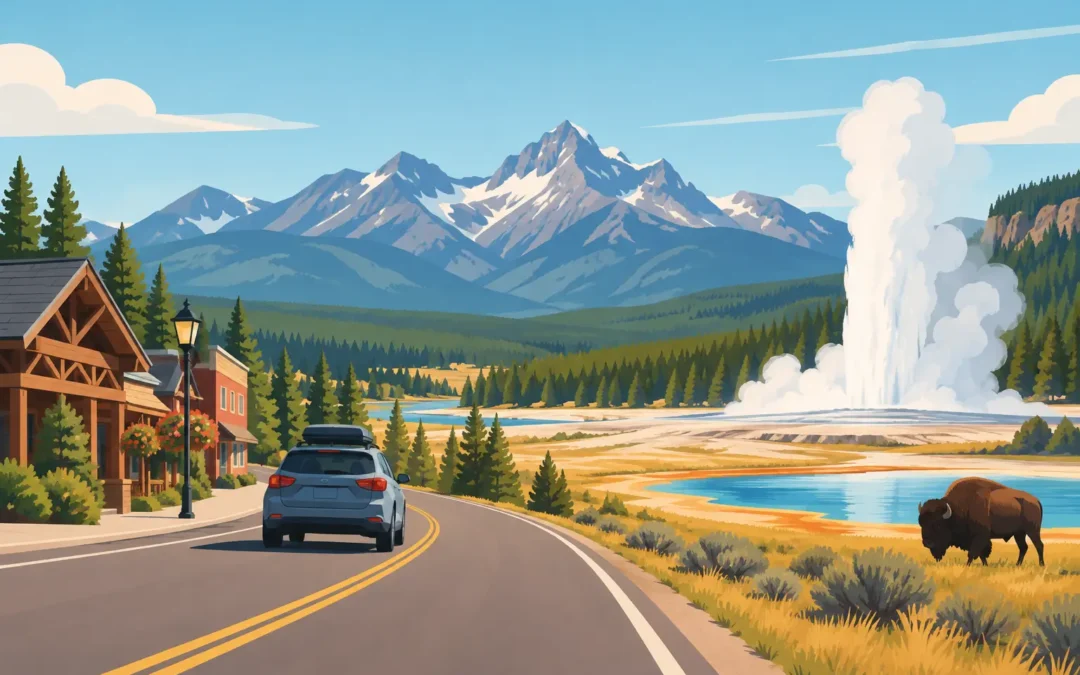
Once through the Northeast Entrance, Lamar Valley is the natural first destination. This wide valley is known for bison, pronghorn, elk, bears, wolves, and dramatic open-country views, though wildlife is never guaranteed. Keep your distance, use binoculars if you have them, and expect traffic to slow when animals are nearby. A line of stopped cars may mean something interesting, but it can also mean a bison has decided the road is its trail.
From Lamar Valley, turn back toward Red Lodge if you need to keep the day simple, or continue farther into the park only if you are comfortable with a long return drive. That decision depends on daylight, your energy, weather, and who is traveling with you. Families with young children may prefer an unhurried Lamar day. Couples, photographers, and experienced road trippers may be happy adding Tower Fall or a portion of the Grand Loop, provided they begin early and remain realistic about the return.
A Better Two-Night Yellowstone Stopover Itinerary
Two nights in Red Lodge create a far more comfortable rhythm. Arrive on the first day, settle in, and enjoy town. Use the second day for the Beartooth Highway, Lamar Valley, and the Northeast Entrance area. Then spend a second evening back in Red Lodge, where a hot shower, clean room, laundry access, and an easy meal feel especially welcome after a day of mountain driving.
On your departure day, you have options. You can head east toward the plains, continue south or west based on current routes, or take one more slow morning in Red Lodge before moving on. This extra night is particularly helpful for motorcycle groups, RV travelers, and families, because it gives everyone a weather buffer. If low clouds, wind, or road conditions make the high pass less appealing on one day, you may be able to shift plans rather than forcing the experience.
A two-night stay also lets you enjoy what makes Red Lodge worth visiting on its own. Browse the shops, linger over coffee, let the kids burn off energy in the yard, or sit outside as the evening cools. Yellowstone may be the headline, but the mountain town on either side of the park day is often what keeps the trip from feeling rushed.
What to Pack for the Beartooth and Yellowstone
Mountain weather changes quickly, even when the forecast begins with bright sunshine. Keep a warm layer, rain shell, water, snacks, sunscreen, and sunglasses within easy reach rather than buried in the trunk. At high elevation, temperatures can be much cooler than they are in town.
Bring a full tank of fuel, too. Services are limited along parts of the route, and park driving can take longer than expected. Download maps before leaving town, carry a paper map if you prefer one, and do not count on consistent cell service in the mountains or inside Yellowstone.
For wildlife viewing, binoculars are more useful than a long camera lens for most travelers. They allow you to watch animals from a responsible distance. Never approach wildlife for a better photo, and never stop in the travel lane. Those basic choices protect both visitors and the animals that make Yellowstone so special.
Make the Stop Feel Like a Vacation
The temptation on a Yellowstone trip is to chase every landmark. But a memorable stopover usually has a simpler shape: a good night of rest, an early breakfast, one extraordinary road, a few unplanned stops, and a safe return to a comfortable bed.
At Alpine Lodge Motel, travelers can begin or end that kind of day with the practical comforts road trips call for, from a welcoming place to sleep to coffee, summer breakfast, outdoor gathering space, and accommodations for families, motorcycles, and RVs. More than anything, Red Lodge offers a chance to slow down before the next mile.
Give the mountains the time they ask for. If clouds settle over the pass or a bison herd holds up traffic, let the itinerary bend a little. Those pauses are often where the trip becomes a story worth bringing home.