A Yellowstone day can begin in sunshine, turn windy at a high overlook, and finish with a cold rain near the park boundary. That is why Yellowstone travel essentials are less about bringing every piece of gear you own and more about packing for real mountain conditions. From Red Lodge, the route can be part of the adventure, especially when the Beartooth Highway is open, so a little preparation leaves more room for the views, the wildlife, and the stories you will bring home.
Yellowstone Travel Essentials That Earn Their Space
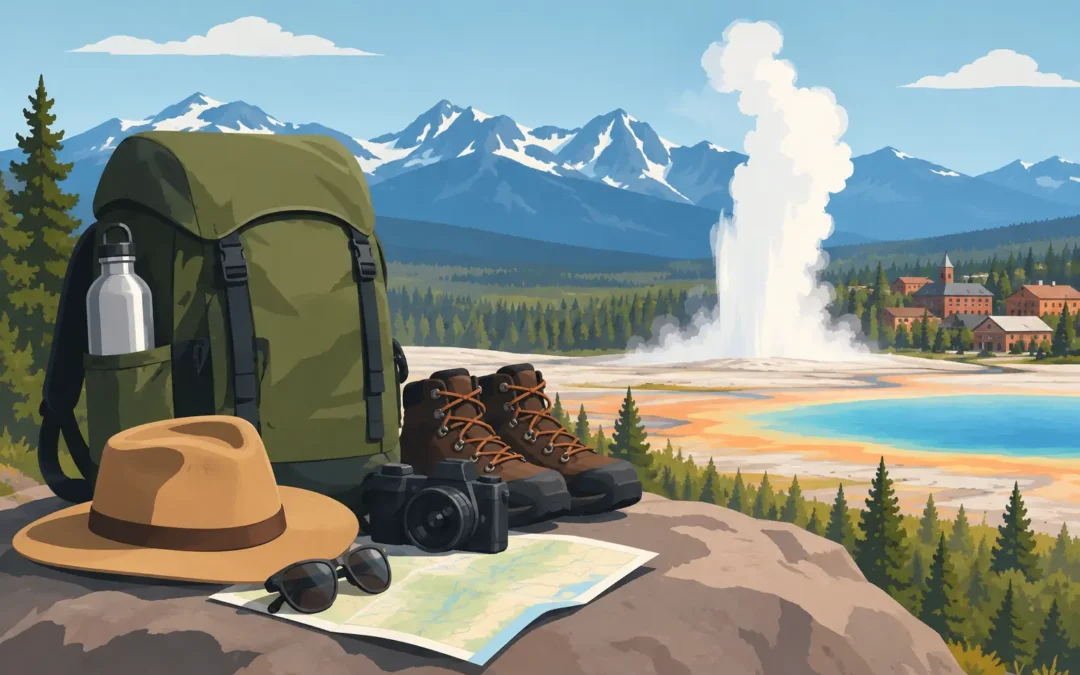
The first thing in your daypack should be water, and more of it than you think you will need. Yellowstone sits at high elevation, and dry mountain air can catch up with visitors quickly. Bring refillable bottles for everyone in the vehicle, then keep a few backup bottles on hand for long scenic drives and trail days.
Layers matter just as much. A short-sleeve shirt, warm midlayer, waterproof shell, hat, and comfortable closed-toe shoes cover a surprising range of conditions. Even in summer, mornings can be brisk, afternoons can bring thunderstorms, and evenings cool off quickly. Cotton may feel comfortable around town, but moisture-wicking clothing and a rain layer are better choices for time outdoors.
Sunscreen, sunglasses, and lip balm belong in the same category as water. The sun at elevation is strong, and the glare can be intense on open roads, water, and pale geothermal ground. A small first-aid kit, insect repellent, hand sanitizer, and a few bandages are sensible additions, especially for families traveling with active kids.
Do not forget a paper map. Cell service is unreliable in much of Yellowstone, and navigation apps can be slow to update around temporary road closures or construction. Download offline maps before entering the park, but keep a printed map in the glove box. It is one of those old-fashioned tools that feels very useful when the signal disappears.
Pack for the Road Before You Pack for the Park
Yellowstone is large enough that a day of sightseeing can easily become a long day behind the wheel. Build a small vehicle kit before heading out: a full fuel tank, tire pressure checked, spare tire in good condition, jumper cables, flashlight, windshield fluid, and basic snacks. If you are taking the Beartooth Highway, conditions and seasonal opening dates deserve special attention. Snow, wind, and quick weather changes are part of mountain travel, even when the lower elevations feel warm.
A soft-sided cooler is particularly helpful. Pack easy food that can handle a bumpy drive, such as fruit, sandwiches, trail mix, cheese, and plenty of water. Park dining options can be busy, and having lunch along means you can stop when the scenery calls for it instead of when hunger forces the issue.
Start early when you can. Morning travel often means lighter traffic, easier parking, and a better chance of seeing wildlife during the quieter hours. It also gives you flexibility if a bison herd pauses traffic or a favorite pullout is full. In Yellowstone, delays are not always problems. Sometimes they are simply part of the day.
Keep Your Camera Ready, but Your Vehicle Safer
A camera, phone, extra charging cable, and portable power bank will earn their keep. Yellowstone has the kind of scenery that makes people stop often, from broad valleys and waterfalls to steaming basins and mountain passes. Keep gear accessible, but never pull over in unsafe areas or stop in the travel lane for a photo.
If you bring binoculars, use them. They make wildlife viewing more rewarding while helping you maintain a respectful distance. A telephoto lens is useful, but it is never a reason to move closer to an animal. The best Yellowstone photographs come from patience, not proximity.
Wildlife Safety Is a Yellowstone Essential
Wild animals are a major reason people visit Yellowstone, and they should be treated as exactly that: wild. Bison can look calm until they do not. Elk, bears, wolves, and moose all need considerable space. Follow posted distance requirements, stay on designated walkways near thermal areas, and never approach an animal for a closer photo.
Bear spray is wise for anyone hiking in bear country. Carry it where it can be reached quickly, know how it works before you leave the trailhead, and check current park guidance on where and how to use it. Bear bells are not a substitute for staying alert. Hike in groups when possible, make normal conversation in brushy areas, and avoid wearing headphones that keep you from hearing what is around you.
Food storage matters as well. Keep food, coolers, and scented items secured in your vehicle or according to campground rules. Never feed wildlife, even birds or small mammals. It changes their behavior and creates problems for the next traveler and for the animals themselves.
Thermal Areas Need Their Own Kind of Caution
Yellowstone’s geysers, hot springs, and steaming ground are unforgettable, but they are not forgiving. The ground can be thin, water temperatures can be extreme, and the colors that look inviting in a photograph may sit above dangerous heat. Boardwalks and marked trails are there for good reason. Keep children close, keep pets where rules allow them, and save the shortcut for another place.
Plan for a Better Family Day
For families, the most useful Yellowstone travel essentials are often simple comforts. Bring snacks before anyone is hungry, a change of clothes for younger children, and a light blanket for cool car naps. Plan one or two main stops rather than trying to see every famous feature in a single day. Yellowstone rewards a slower pace.
Choose walks that fit your group, and leave room for unplanned stops. A child may remember the bison by the road more vividly than the itinerary’s biggest attraction. Adults often do, too. Build in bathroom breaks, stretch breaks, and time to sit beside a river or enjoy a picnic away from the crowds.
If your group includes grandparents, small children, or travelers with limited mobility, check the walking surface and distance before committing to a stop. Many scenic areas offer impressive views with relatively short walks, while others involve stairs, uneven paths, or longer boardwalks. There is no prize for pushing through a plan that has stopped being enjoyable.
Make Red Lodge Part of the Journey
Red Lodge is a natural place to slow down before or after a Yellowstone adventure. It gives travelers a chance to fuel up, organize the car, enjoy a good meal, and trade a park-day rush for mountain-town hospitality. If you are traveling the Beartooth route, allow extra time. This is not a road meant to be hurried.
At Alpine Lodge Motel, guests often appreciate having a comfortable base camp after a full day of driving and exploring. Clean rooms, a place to do laundry, outdoor space, and a warm breakfast can make a practical difference when the family has been living out of suitcases or the motorcycle gear needs time to dry. Those small comforts help a road trip feel like a vacation again.
Before leaving for the park, check current road conditions, weather, construction notices, and park alerts. Conditions can change overnight, particularly in spring and fall. Flexibility is one of the best things you can pack.
Yellowstone does not ask visitors to be expert outdoorsmen. It simply rewards travelers who arrive prepared, give wildlife space, respect the landscape, and leave enough time for the unexpected. Bring the layers, fill the water bottles, keep your plans loose, and let the mountains set the pace.