A clear morning in Red Lodge can make the Beartooth Mountains look inviting enough to drive straight into. But Beartooth road conditions can change dramatically between town and the top of the pass. A sunny forecast at lower elevation does not guarantee dry pavement, open gates, or comfortable driving above 10,000 feet.
For many travelers, the Beartooth Highway is the highlight of a Montana vacation: big views, switchbacks, alpine lakes, wildlife, and that wonderful feeling of being far from the ordinary. It is also a real mountain road. A little preparation helps turn a great drive into the kind of day you remember for the scenery instead of the white-knuckle moments.
Start With the Road’s Seasonal Reality
The Beartooth Highway, US Highway 212, travels from Red Lodge over Beartooth Pass and toward Cooke City and Yellowstone’s Northeast Entrance. Its high elevation is exactly what makes it spectacular – and what makes it subject to long winter closures, late snow removal, and sudden weather restrictions.
The road typically opens for the summer season sometime around late spring or early summer, but there is no date worth treating as a promise. Heavy snowfall, avalanche work, road repairs, or an unusually cold spring can delay opening. In autumn, an early storm can temporarily close the route or end through-travel for the season sooner than visitors expect.
If your trip depends on driving the pass, check the current status close to departure, then check it again on the morning you leave. Montana Department of Transportation 511 and Wyoming Department of Transportation 511 provide the most useful official updates for their respective sides of the route. Look for information on closures, restrictions, construction, accidents, and pavement conditions rather than relying on an old social post or a photo from last week.
A road marked open is not always an easy road. It may mean the route is legally passable while still being wet, windy, foggy, or lined with snowbanks. That distinction matters, particularly for families, motorcycles, RVs, and drivers who are not used to mountain grades.
What Beartooth Road Conditions Can Look Like
Beartooth road conditions are often best understood in layers. First, ask whether the highway is open end to end. Then look at the weather forecast at pass elevation, not just Red Lodge or Yellowstone. Finally, consider your own vehicle and comfort level on narrow, steep, exposed roads.
Summer does not mean snow-free
Even in midsummer, snow can fall near the pass. A brief storm may leave slush, ice in shaded corners, reduced visibility, and a sharp temperature drop. Mornings can be especially chilly, while afternoon thunderstorms can bring hail, heavy rain, lightning, and quick runoff across the pavement.
Bring a warm layer even if you begin the day in shorts. Closed-toe shoes, rain protection, sunglasses, sunscreen, and drinking water all earn their place in the car. At this elevation, the wind and sun can feel stronger than expected.
Pavement changes quickly with elevation
The climb out of Red Lodge is part of the experience. The road gains elevation quickly, and the terrain becomes more rugged as you approach the pass. You may move from dry pavement and open views to clouds, damp curves, and patchy roadside snow within an hour.
Slow down before you need to. Curves tighten, grades become steeper, and scenic pullouts can have busy traffic. Use lower gears on long downhill stretches rather than riding your brakes. If someone behind you is eager to travel faster, use a safe pullout when available and let them pass. The mountains will still be there.
Wind and visibility deserve respect
High-country wind can push against motorcycles, taller vehicles, and vehicles towing trailers. Fog may settle in without much warning, particularly when a weather system moves across the pass. If you cannot see far enough ahead to drive confidently, there is no prize for pressing on. Pull into a safe, designated area when possible, wait for conditions to improve, or turn around.
The same goes for wildlife. Deer, elk, and other animals can appear near the roadway, especially early and late in the day. Keep your eyes moving, leave space, and do not stop in a travel lane for a photograph.
Check These Details Before Leaving Red Lodge
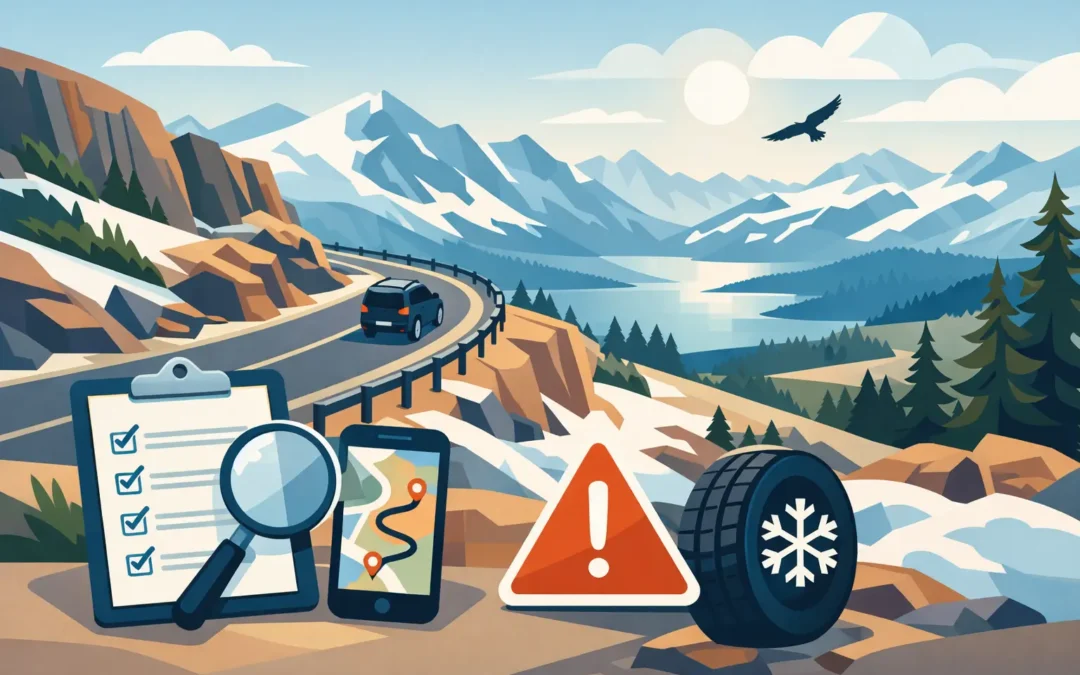
A good Beartooth day begins before the ignition turns. Four quick checks can prevent most avoidable trouble:
- Road status: Confirm that US 212 is open for the portion of the route you plan to travel, and review any active restrictions.
- Mountain forecast: Check temperatures, wind, precipitation, and visibility at Beartooth Pass elevation, not only the forecast in town.
- Fuel and battery: Fill up before the climb, especially if you are traveling in a larger vehicle, riding a motorcycle, or relying on an electric vehicle with limited mountain-range planning.
- Your route beyond the pass: If Yellowstone is part of the plan, verify park entrance and road status separately. One open road does not guarantee every connecting road is open.
Cell service can be inconsistent once you are in the mountains. Save directions, maps, reservation details, and key phone numbers before leaving town. Tell someone where you are headed if you will be hiking or traveling beyond the main highway.
It is also wise to pack a few basics: water, snacks, a first-aid kit, a flashlight, a charged phone battery, and an extra layer. These are not signs that you expect trouble. They are simply sensible companions on a long mountain drive where services are limited.
Choosing the Right Vehicle and Travel Plan
Most standard passenger vehicles can enjoy the Beartooth Highway when conditions are good, but the road rewards patience more than horsepower. The main considerations are tire condition, braking confidence, fuel range, and the driver’s comfort with mountain curves and steep grades.
Motorcyclists often count Beartooth among their favorite rides, and for good reason. The scenery is extraordinary. The trade-off is exposure to cold, wind, rain, loose roadside gravel, and changing pavement conditions. Start early enough to avoid rushing, wear proper layers, and keep an eye on the sky. An afternoon storm at the top can be a very different experience from a warm morning in Red Lodge.
RV travelers and those towing trailers should pay especially close attention to current restrictions and their vehicle’s handling on sustained climbs and descents. Length, height, turning radius, brake condition, and wind all matter. For some travelers, enjoying the lower scenic portions of the route and returning to Red Lodge is the better choice than making a full crossing.
Families have their own calculation. A full pass crossing with stops for photos, restrooms, snacks, and short walks can take much longer than a map suggests. Build in time to linger. A rushed mountain day is rarely a fun one, especially with young children or travelers adjusting to altitude.
When Conditions Change Mid-Drive
Weather changes are part of high-country travel, not a personal failure of planning. The best response is to stay flexible. If clouds drop low, the pavement becomes slick, or your group is no longer comfortable, turn back while the decision is still easy.
Do not drive around barricades or closure signs, even if the road ahead looks clear. Closures may be protecting travelers from hazards that are not visible from the gate: avalanche danger, ice, rockfall, road damage, or emergency work farther up the route. Conditions can be worse around the next curve.
If you encounter a temporary delay, use the time well. Enjoy a viewpoint, have a snack, check the latest official update when service allows, and adjust the day’s plans. Red Lodge offers plenty worth returning for, from a relaxed meal to a walk through town or an evening around the fire.
Make Red Lodge Your Flexible Base Camp
The easiest way to enjoy the Beartooth is to avoid building your entire trip around one narrow weather window. Stay in Red Lodge long enough to give yourself options. If the pass is clear, you can make the drive early and take your time. If conditions are poor, you have room to shift the route, explore locally, or wait for a better day.
At Alpine Lodge Motel, we see this often: travelers who planned one night decide they are glad they left room for the mountains to set the pace. A warm breakfast, a good coffee, clean clothes from the guest laundry, and a quiet place to rest can make a weather delay feel less like lost time and more like part of the trip.
Before heading uphill, check the official reports, fill the tank, pack for cold as well as sunshine, and give yourself permission to change plans. The Beartooth will be most memorable when you have the time and good sense to meet it on its own terms.