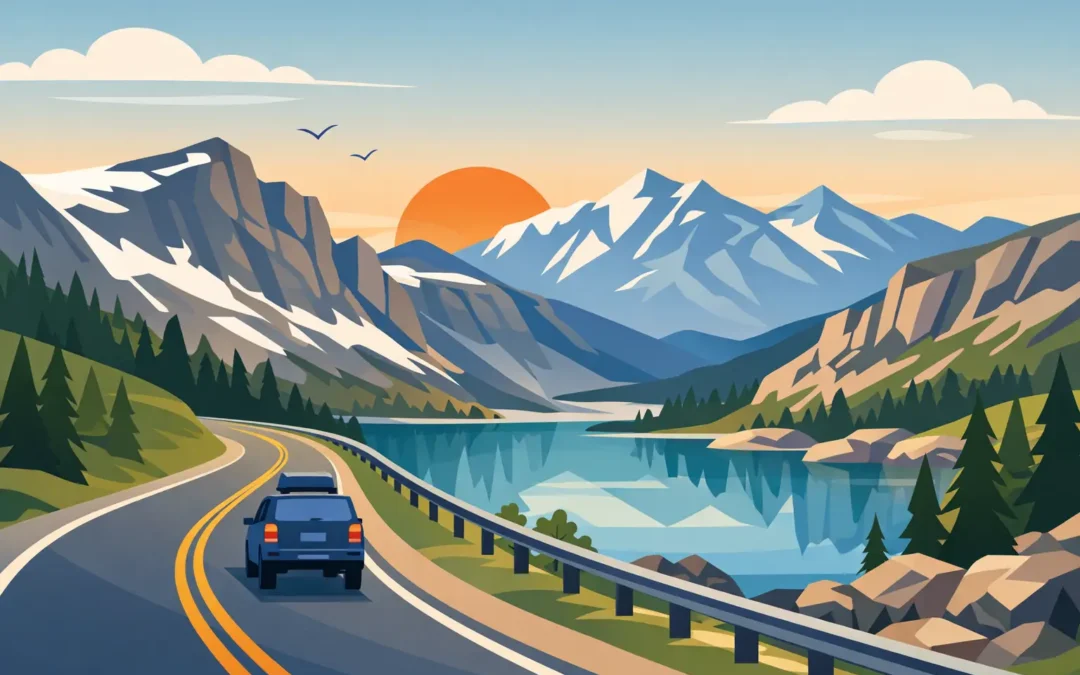
The first switchback above Red Lodge changes the scale of the day. Towns, ranchland, and everyday schedules fall away behind you, while snow-streaked peaks, broad alpine basins, and a winding ribbon of pavement take over the view. A Beartooth Highway road trip itinerary is not a drive to rush through on the way to Yellowstone. It is one of the reasons to come to Montana in the first place.
The route is high, steep, and wonderfully changeable. You may leave Red Lodge under a bluebird sky, stop beside a lake in a jacket, and find patches of snow near the pass even in summer. Give it the time it deserves, keep your plans flexible, and let Red Lodge be the easy beginning and end of your mountain miles.
Start in Red Lodge and let the road build
Red Lodge is the natural western gateway to the Beartooth Highway. Begin with a full tank of fuel, drinking water, snacks, a warm layer, sunscreen, and a paper map or downloaded directions. Cell service can be limited once you are in the mountains, and the weather does not always follow the forecast in town.
Try to be on the road early, especially in July and August. Morning light makes the mountains feel especially clear, wildlife is often more active, and you will have more room at popular pullouts. It also leaves you time to stop when a view asks you to stop, which happens often on this road.
For many travelers, a freshly prepared breakfast and good coffee in Red Lodge are better than trying to make do at a crowded gas station farther along the route. Guests at Alpine Lodge Motel can start a summer day with a made-to-order complimentary breakfast before heading uphill, then return to a quiet room, cabin, or fire pit after a long day of mountain air.
The first miles out of town ease you into the landscape. The valley opens wide, then the highway begins climbing in earnest toward Rock Creek Canyon. The road is paved and dramatic, but it is not a place for hurried driving. Curves tighten, grades increase, and slower traffic is part of the experience. Use pullouts to let faster vehicles pass rather than feeling pressured to drive beyond your comfort level.
A two-day Beartooth Highway road trip itinerary
A single day can cover the highway and reach Yellowstone, but two days create a much better trip. You will have time to enjoy the overlooks, take a short walk, watch for wildlife, and arrive in Cooke City or Yellowstone without feeling as if every stop has a countdown clock.
Day 1: Red Lodge to Beartooth Pass and Cooke City
Leave Red Lodge in the morning and make your first unplanned stops as the canyon and mountain views begin to open. The Beartooth All-American Road has many signed pullouts, and the best ones are often the ones where the light, clouds, and your own curiosity line up. You do not need to chase every viewpoint. Pick several and give each one a few quiet minutes.
The climb toward Beartooth Pass is the centerpiece. At nearly 11,000 feet, the pass delivers the kind of wide-open alpine country that photographs never quite capture. Expect wind. The temperature can be 20 or 30 degrees cooler than it was in Red Lodge, and thunderstorms can develop quickly on summer afternoons. Keep rain gear and a warm layer within reach rather than buried under luggage.
At the summit area, take time to walk a little way from the parking area if conditions allow. Even a short, easy stroll gives you a closer look at alpine flowers, small lakes, lingering snowfields, and the immense sweep of the Absaroka-Beartooth Wilderness. Stay on durable ground and remember that the elevation can affect anyone. Slow down, drink water, and do not turn a scenic stop into a test of endurance.
Continue east and south through the high country, where lakes and rocky plateaus stretch in every direction. The descent brings you toward Cooke City-Silver Gate, a small, characterful mountain community just outside Yellowstone’s Northeast Entrance. This is a good place to settle in for the night, enjoy an unhurried dinner, and trade notes with other travelers about what they saw on the road.
If you prefer to keep one lodging base, you can return to Red Lodge the same afternoon, but plan on a full day behind the wheel. The round trip is beautiful, yet the concentration required on mountain roads adds up. An overnight near Cooke City is the better choice for travelers who want a relaxed Yellowstone day next.
Day 2: Lamar Valley and Yellowstone’s Northeast Entrance
Start early again, this time with Lamar Valley in mind. The route from Cooke City through the Northeast Entrance is one of Yellowstone’s most rewarding wildlife corridors. Wolves, bears, bison, pronghorn, elk, and foxes all live in this country, though wildlife is never guaranteed and should never be treated as a roadside attraction on demand.
Bring binoculars if you have them. They make a real difference and help you watch animals without crowding them. Keep a safe distance, stay in your vehicle when bison or bears are nearby, and never block the road for a photo. If traffic is stopped, there may be wildlife ahead, but there may also be a simple bottleneck. Patience is part of a Yellowstone morning.
Spend the day according to your interests. Lamar Valley is ideal for slow scenic driving and wildlife watching. Travelers with more time can continue toward Mammoth Hot Springs, where terraces and historic buildings offer a striking contrast to the open valley. Others may prefer a shorter day, returning through the Beartooth Highway in the afternoon or staying another night near the park.
For the return drive to Red Lodge, leave enough daylight to cross the high country safely. The western approach to the pass is magnificent late in the day, but changing weather and shaded curves make it wise to avoid being on the road after dark. Back in town, a hot shower, clean clothes, and an easy evening around a fire can feel like a proper reward.
Timing, weather, and road conditions matter
The Beartooth Highway is seasonal. Its high-elevation section typically closes in winter and may not fully open until late spring or early summer, depending on snowfall and plowing conditions. Storms, construction, snow, ice, rockfall, or other mountain conditions can also change access during the travel season.
Before leaving Red Lodge, check current road status from official sources and ask a local host or business what conditions have been like recently. Do not rely on an old social media post or a navigation app alone. A route that looks open on a map may have delays, restrictions, or weather moving in at the pass.
Summer is the easiest time for most visitors, but each part of the season has a different feel. Early summer brings waterfalls, snowbanks, and cooler temperatures. Mid-summer offers long days and more reliable access, along with more traffic. September can bring crisp air, golden color, and quieter roads, but it can also bring the season’s first serious snow.
Motorcyclists and RV travelers should be especially thoughtful about wind, temperature swings, and steep grades. The road is a memorable ride for experienced drivers, but it demands attention. Use lower gears on long descents, watch your brakes, and pull over when fatigue sets in. Large RVs and trailers need extra caution on tight curves, and some travelers find it more enjoyable to leave the biggest rig parked in Red Lodge and tour the highway in a smaller vehicle.
Make room for the stops that are not on a checklist
The best Beartooth trips usually include a few moments that were never scheduled: a marmot disappearing among rocks, a sudden reflection on an alpine lake, a family picnic at a pullout, or a cloud shadow moving across an entire mountain basin. Build those moments into the day by avoiding an overpacked plan.
Pack food, but be respectful about where you eat and how you store it. Mountain weather is not the only reason to keep a clean vehicle and secure snacks. This is bear country. Leave no food scraps at overlooks, use proper storage where required, and carry out everything you bring in.
A short hike can also add depth to the drive, but choose one that fits your group, fitness level, weather, and daylight. At high elevation, even a modest trail feels different. Families with young children may be happiest with a lakeside walk and plenty of time to explore rocks and wildflowers. Experienced hikers may want a longer outing, provided they begin early and are ready to turn back if storms gather.
A few practical details that protect a good day
There are limited services once you leave Red Lodge, so do your basic preparation in town. Fuel up, use the restroom, charge your camera, and keep a small first-aid kit in the car. Pack extra water for every passenger. High altitude, sun, wind, and dry air can catch people off guard.
Most importantly, do not schedule the Beartooth Highway like an interstate transfer. The drive between Red Lodge and Cooke City is only a portion of what you will remember. The overlooks, the cool air at the pass, and the small pauses beside high-country water are the trip.
Come back to Red Lodge with room in your evening for one more good conversation, one more cup of coffee, and a look at the mountains you just crossed. That is how a mountain drive becomes a True Red Lodge experience.